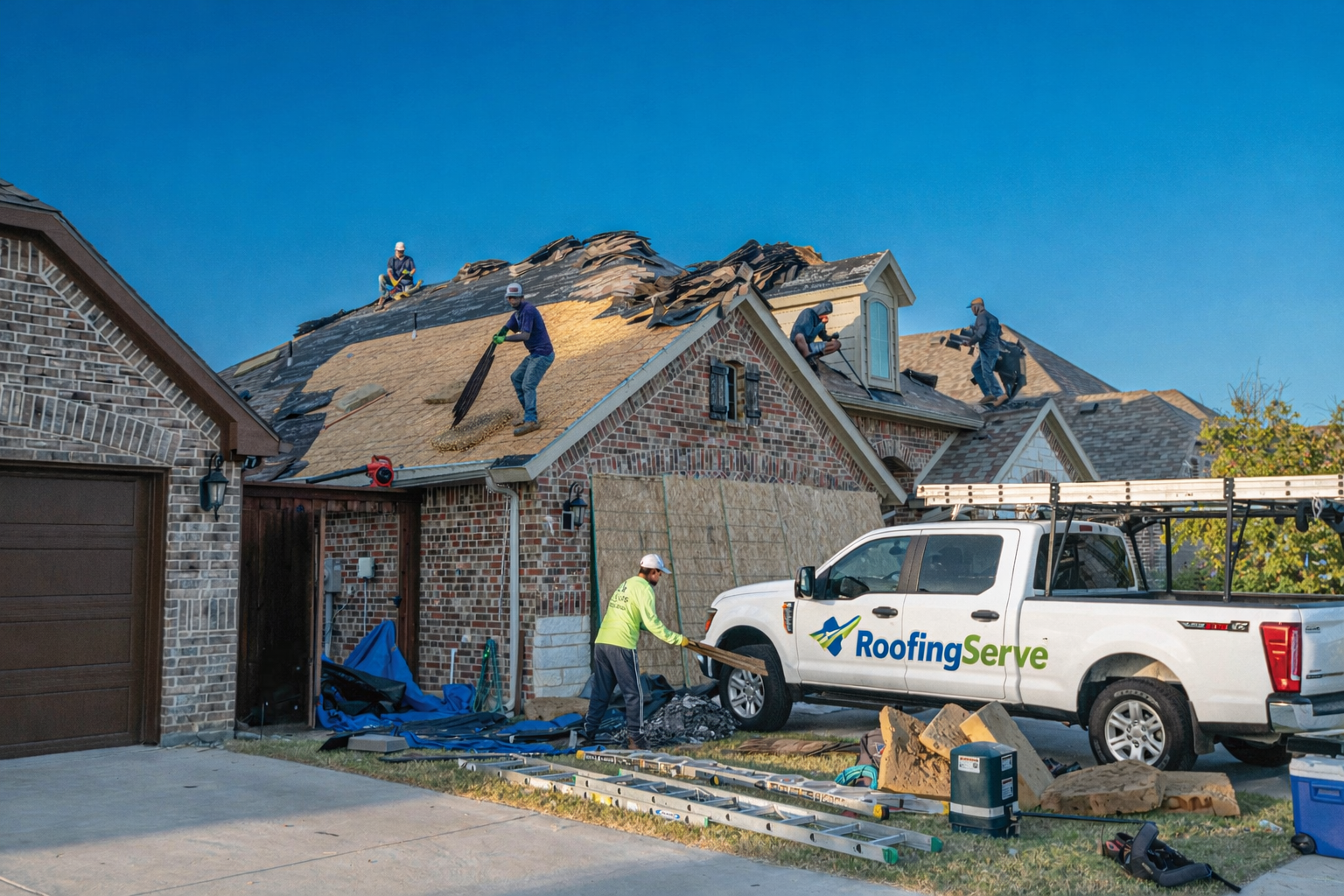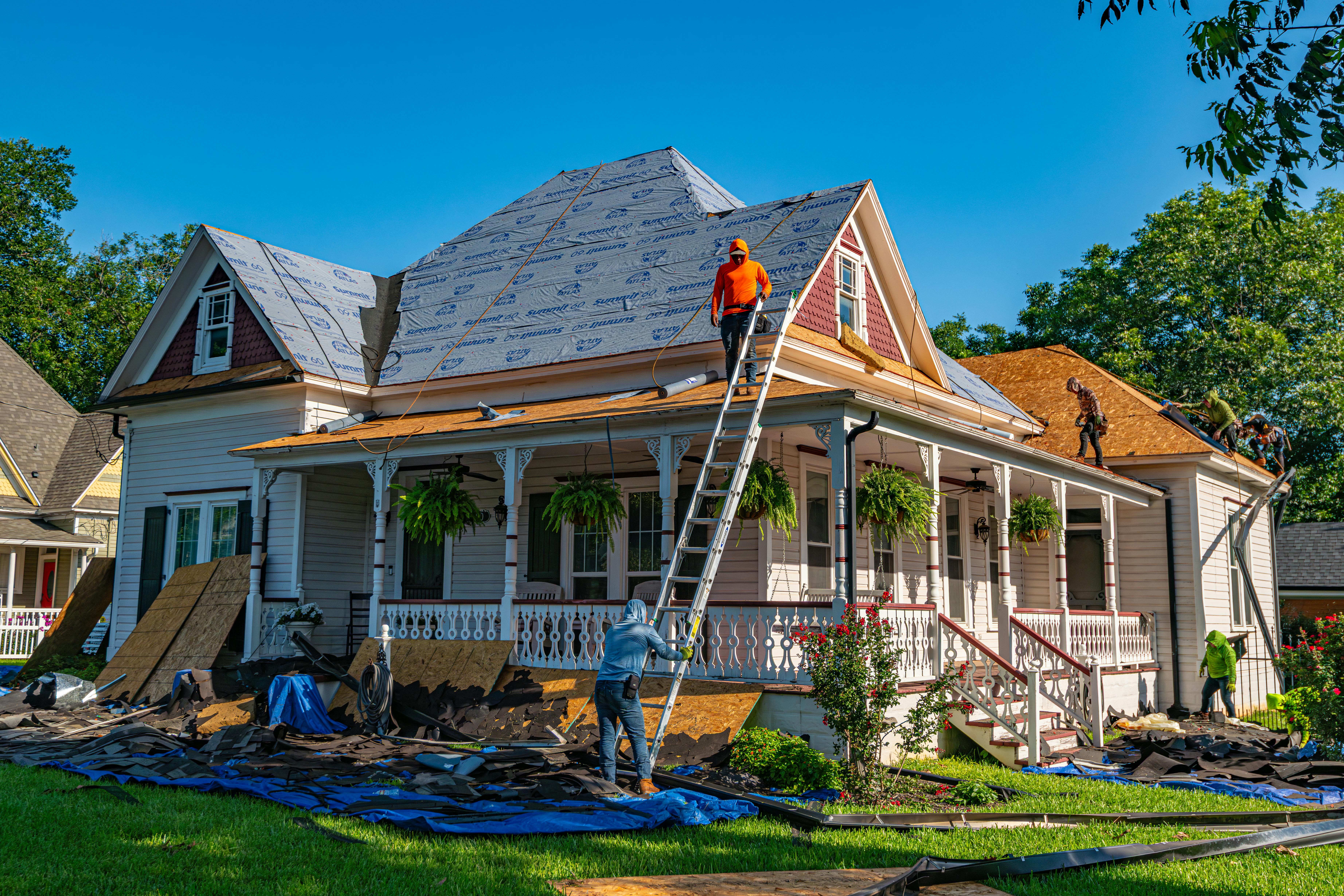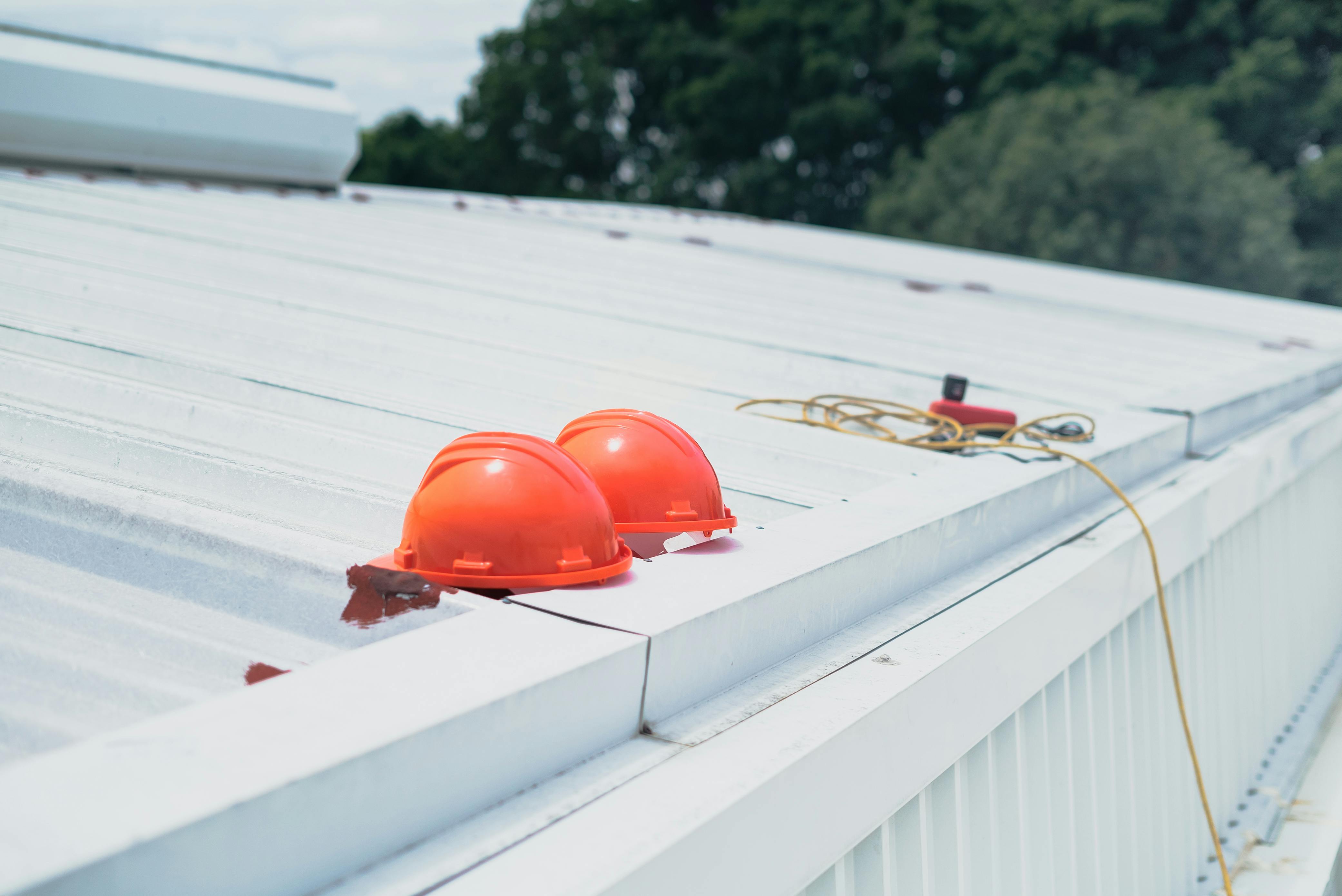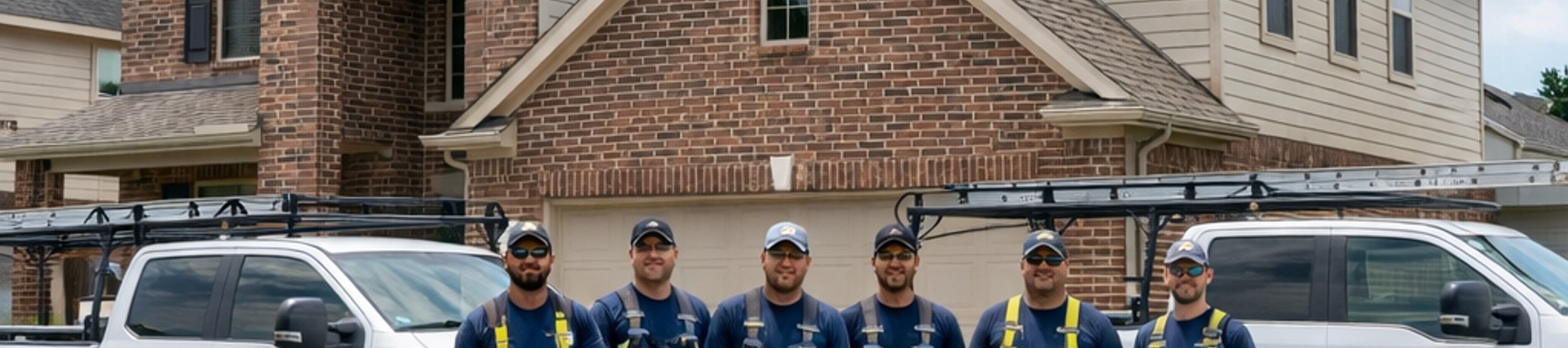

What Does a Roofing Contractor Do? The Complete Homeowner's Guide
A roofing contractor installs, repairs, and maintains residential and commercial roofing systems to protect properties from weather damage and extend roof lifespan. They diagnose hidden problems, recommend appropriate materials, ensure code compliance, and implement safety protocols—delivering expertise that prevents costly mistakes and premature roof failure.
Table of Contents
- What Professional Roofing Contractors Actually Do
- Specialized Skills That Separate Pros from Handymen
- How Contractors Protect Home Safety and Longevity
- Safety Protocols During Roofing Projects
- Expert Insights Most Homeowners Miss
- Why Homeowners Choose RoofingServe
- Common Roofing Challenges by Climate Zone
- Comprehensive FAQ
- Next Steps for Your Roofing Project
What Professional Roofing Contractors Actually Do: Beyond the Obvious
When most people think "roofing contractor," they picture someone nailing shingles. That's like saying a surgeon "uses a scalpel"—technically true, but missing the entire point.
Professional roofing contractors are diagnostic specialists who protect your home's structural integrity, indoor air quality, energy efficiency, and long-term value. The work happens in layers most homeowners never see.
Here's what many contractors won't admit: Over 60% of residential roof failures originate at flashing and ventilation points—not the shingles everyone focuses on. That ceiling stain isn't just damaged shingles. It's often compromised flashing, inadequate ventilation, or failed moisture barriers hidden beneath the surface.
This is why credential verification matters. RoofingServe operates through a verified network of state-licensed, bonded, and insured contractors with 15 years of combined experience. Unlike companies treating symptoms, our approach evaluates complete roofing systems: underlayment integrity, ventilation efficiency, flashing condition, drainage patterns, and structural load distribution.
Complete roofing services professional contractors provide:
- Comprehensive roof inspections - Multi-point evaluations with photo documentation
- Emergency leak detection and storm response - 24/7 availability for urgent situations
- Full roof replacements - Material consultation, tear-off, installation, disposal
- Wind and hail damage restoration - Insurance claim documentation and repairs
- Preventive maintenance programs - Scheduled inspections extending roof lifespan
- Gutter and drainage systems - Installation, repair, and proper water management
- Attic ventilation upgrades - Thermal efficiency improvements and moisture control
- Structural repairs - Decking replacement, truss reinforcement, load corrections
Need immediate roofing assistance? Call RoofingServe at (857) 201-3936 to connect with a licensed professional in your area.
What the Data Reveals
- Homes receiving annual professional inspections last up to 30% longer before replacement
- Proper attic ventilation reduces heat buildup by 20-25°F, significantly extending material lifespan
- Early leak detection saves homeowners an average of $3,000-$8,000 in secondary damage costs
- Preventive maintenance costs 80% less than reactive emergency repairs
Specialized Roofing Skills That Separate Professionals from Handymen
Roofing isn't manual labor with instructions—it's diagnostic problem-solving requiring years of experience.
A qualified contractor distinguishes between asphalt shingle grades by weight and composition, understands how ambient temperature affects adhesive activation during installation, recognizes structural load limitations based on truss spacing, and diagnoses moisture problems by reading attic ventilation patterns and insulation conditions.
These aren't skills from weekend YouTube tutorials. They're developed through hundreds of projects across different roof types, materials, and failure scenarios.
Real-world example: A homeowner called about ceiling stains appearing after heavy rain. A basic repair crew would replace the stained shingles and invoice. Professional inspection revealed the actual problem—deteriorated step flashing where the roof met a sidewall, combined with restricted soffit ventilation causing condensation buildup in the attic space.
The solution required flashing replacement, ventilation correction, and strategic shingle repair. Cost difference versus simple shingle replacement? Minimal. Difference in results? Three years later, still leak-free versus recurring failures every storm season.
The diagnostic process skilled contractors follow:
- Structural and moisture assessment - Checking for sagging, water staining, rot indicators, load stress
- Material compatibility evaluation - Ensuring new products integrate with existing systems
- Climate-specific recommendations - Materials proven to perform in regional weather patterns
- Ventilation analysis - Often the most overlooked factor affecting roof longevity
- Customized repair or replacement planning - Based on actual conditions and budget realities
- Quality control inspections - Verifying work meets manufacturer specifications and code requirements
RoofingServe's verified network includes only contractors demonstrating this comprehensive diagnostic capability through licensing, insurance verification, and proven project history.
Specialized Skills
What technical knowledge should my roofing contractor possess?
Beyond installation techniques, they need material science understanding (thermal expansion, moisture permeability), structural engineering basics (load distribution, truss systems), building code compliance, and diagnostic methods for concealed damage. RoofingServe's network requires demonstrated expertise across all these areas.
Can I identify serious roof problems through visual inspection?
Rarely. Critical issues develop in invisible spaces—under shingles, within attic cavities, or inside layered roofing assemblies. Professional inspections using moisture meters, thermal imaging, and systematic evaluation protocols catch problems before they become expensive emergencies.
How does RoofingServe verify contractor expertise?
Every contractor undergoes credential verification including state licensing confirmation, insurance coverage validation, and proven local experience review. We don't just check boxes—we ensure they meet standards we'd expect for our own properties.
Ready for expert diagnosis instead of guesswork? Call RoofingServe at (857) 201-3936 for professional roof inspection.
How Roofing Contractors Protect Your Home's Safety and Longevity
Your roof does far more than shed water. It's a critical system affecting indoor air quality, energy consumption, structural stability, and insurance coverage validity.
When roofing systems fail, consequences compound rapidly:
- Water intrusion creates mold growth affecting respiratory health
- Compromised insulation drives utility costs up 20-40%
- Saturated decking weakens structural framing and support
- Delayed repairs frequently void insurance claim eligibility
- Secondary damage to ceilings, walls, and flooring multiplies costs
Professional contractors prevent these cascading failures through systematic approaches most homeowners never consider.
Why professional roofing directly impacts long-term safety:
- Advanced moisture barriers - Prevent mold, mildew, and indoor air quality degradation
- Engineered ventilation systems - Stop heat-related material degradation extending lifespan by years
- Structural reinforcement - Prevent catastrophic failure during high-wind events
- Code-compliant installation - Protect insurance coverage validity and resale value
RoofingServe's approach to long-term roof protection:
We connect homeowners with contractors who think beyond immediate repairs. Their recommendations include seasonal inspection protocols, upgraded moisture barriers in vulnerable transitions, reinforced flashing at roof penetrations, and ventilation improvements preventing premature material breakdown.
Case study: One homeowner replaced their roof twice in 15 years—both times attributed to "shingle failure." The actual culprit? Inadequate attic ventilation causing extreme heat buildup that literally cooked the shingles from below. After proper ventilation installation with the third replacement, that roof is now 8 years old and performing optimally.
The difference between treating symptoms and solving root causes.
Safety and Longevity
How does roofing affect home safety beyond weather protection?
Compromised roofs allow moisture creating mold, attract pests through gaps, damage insulation reducing fire resistance, and weaken structural framing. Professional contractors address these interconnected systems rather than isolated symptoms.
What's a realistic roof lifespan for different materials?
Asphalt shingles: 20-30 years with proper maintenance, 12-18 without. Metal roofing: 50+ years. Tile/slate: 50-100 years. Flat roof membranes: 15-25 years. Lifespan depends heavily on installation quality, ventilation, and preventive care.
Why choose verified contractors for long-term performance?
Licensed professionals focus on root-cause solutions and preventive strategies rather than temporary patches. You receive contractors who extend roof life through intelligent material selection and proper system design.
Protect your investment with long-term thinking. Schedule your consultation with RoofingServe at (857) 201-3936.
Safety Protocols During Roofing Projects: What Professionals Do Differently
Roofing consistently ranks among the most dangerous construction trades. Falls cause the majority of serious injuries, but falling debris, electrical hazards, power tool accidents, and weather exposure create additional risks—to workers and your property.
Professional contractors don't rely on "being careful." They implement systematic safety protocols protecting everyone involved.
What proper safety implementation looks like:
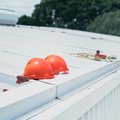
- Fall protection systems - OSHA-compliant harnesses, guardrails, and anchor points on steep-slope projects
- Controlled access zones - Restricting family members, pets, and unauthorized personnel from work areas
- Property protection measures - Tarps for landscaping, magnetic nail sweeps, protective coverings for entries and vehicles
- Daily equipment inspections - Systematic checks of ladders, power tools, and safety gear before use
- Weather monitoring protocols - Work suspension when wind, lightning, or precipitation create hazards
- Debris management systems - Controlled tear-off, contained disposal, thorough post-project cleanup
Real scenario: A steep-slope roof repair required work above waterfront landscaping and a dock area. The professional contractor implemented harness tie-off systems anchored to structural points, protective coverings over mature plantings, and staged debris removal preventing damage to the dock below.
Results: Zero injuries. Zero property damage. Project completed on schedule.
Compare that to unlicensed operators who work alone on extension ladders and toss debris off roofs hoping it lands where intended.
Why safety protocols matter to property owners:
- Liability protection - Injured workers without proper insurance can sue homeowners for medical costs and damages
- Property damage prevention - Professional processes protect landscaping, vehicles, siding, and outdoor features
- Quality assurance - Contractors cutting safety corners cut quality corners everywhere
- Project completion reliability - Accidents cause delays; safety-first approaches finish on schedule
RoofingServe's verified network includes only contractors carrying liability insurance, workers' compensation coverage, and documented safety training compliance.
Safety Protocols
Why should property owners care about roofing safety?
Without proper insurance and safety compliance, you could face legal liability for worker injuries occurring on your property. Professional protocols protect you financially and legally.
Do safety requirements extend project timelines?
Not when planned properly. Professional contractors integrate safety into efficient workflows—projects finish on schedule without compromising worker protection or quality standards.
What makes RoofingServe's network safer than independent hiring?
Every contractor carries verified licensing, liability insurance, and workers' compensation. We eliminate the risk of working with uninsured or unlicensed operators who expose you to liability.
Choose safety-verified professionals. Call RoofingServe at (857) 201-3936 for licensed, insured contractors.
Expert Insights: What Most Homeowners Don't Know About Roofing Contractors
Many homeowners only contact roofing contractors after discovering leaks. By then, $300 repairs have become $3,000 problems involving structural damage.
Insider knowledge from 15 years connecting homeowners with professionals:
- Storm inspections should happen immediately—not when damage becomes visible
Most insurance policies have strict claim filing windows (often 12 months from date of loss). Waiting until you notice interior damage often means missing coverage opportunities entirely.
- Attic moisture signals bigger problems than ceiling stains
By the time water stains appear on ceilings, significant damage already exists in decking, insulation, and framing. Attic inspections catch issues months earlier when repairs cost significantly less.
- Flashing failures cause more leaks than damaged shingles
Yet most homeowners only examine shingle conditions. Valleys, chimney transitions, skylight installations, and wall intersections require regular professional inspection—these are primary failure points.
- Ventilation problems cost money every month
Inadequate attic ventilation can increase cooling costs 20-30% during summer while simultaneously shortening roof lifespan. It's correctable, but many contractors don't mention it unless specifically asked.
- Preventive maintenance costs 80% less than reactive repairs
Annual inspections cost $150-$300. Replacing rotted decking after ignoring small leaks costs $2,000-$5,000. The math isn't complicated.
Common myth: "If I don't see leaks, my roof is fine."
Reality: Most roof damage develops invisibly over months or years. Deteriorated underlayment, weakened flashing seals, inadequate ventilation, and early-stage granule loss don't announce themselves until failure occurs.
Professional roofing contractors use experience from thousands of inspections to identify failure patterns before they cause damage—whether storm exposure in coastal regions, heat stress in desert climates, snow load in northern areas, or humidity challenges in southeastern zones.
Get ahead of problems instead of chasing them. Contact RoofingServe for proactive assessment.
Why Homeowners Nationwide Trust RoofingServe
RoofingServe connects homeowners with verified roofing professionals who prioritize quality and transparency over high-pressure sales tactics.
Our credentials and operational approach:
- Verified contractor network - State-licensed, bonded, and insured professionals only
- Rapid response matching - Connect with available professionals within minutes
- Transparent pricing - Clear estimates without hidden fees or surprise charges
- Workmanship warranties - Long-term protection on completed projects
- Safety compliance verification - Every contractor meets strict safety standards
- No-pressure consultations - Education-focused approach, not aggressive sales
What differentiates us from directory listings and franchise operations:
We don't simply list contractors—we vet them. Licensing verification, insurance confirmation, project history review, and customer satisfaction records all factor into network inclusion.
You're not matched with random contractors learning on your property. You receive professionals who've solved roofing challenges specific to your climate zone, building style, and common regional failure patterns.
Join thousands of satisfied homeowners nationwide. Call RoofingServe at (857) 201-3936 for your free consultation.
Common Roofing Challenges by Climate Zone
How Do Coastal and High-Humidity Regions Affect Roofing?
Properties in coastal areas and high-humidity zones experience environmental stress unlike inland locations—constant moisture exposure, salt air corrosion, increased wind loading, and accelerated algae/mold growth on roof surfaces.
Professional contractors serving these regions specialize in moisture-resistant underlayment, corrosion-resistant flashing materials, algae-resistant shingle formulations, reinforced edge details for wind uplift protection, and enhanced ventilation combating humidity accumulation.
Common issue: Condensation in poorly ventilated attics causes premature sheathing deterioration—something rarely occurring in drier climates but becoming inevitable near water without proper system design.
What Challenges Do Desert and High-Heat Climates Present?
Extreme temperature environments create thermal stress, UV degradation, rapid material aging, and significant expansion/contraction cycles affecting fastener integrity.
Contractors experienced in desert climates focus on heat-reflective materials, UV-resistant products, enhanced fastening patterns accounting for thermal movement, and ventilation systems managing extreme attic temperatures that can exceed 150°F during summer months.
The difference? Standard roofing approaches often fail within 10-12 years in desert heat, while climate-appropriate systems perform reliably for 25-30 years.
How Do Snow Load and Freeze-Thaw Cycles Impact Roofing?
Northern regions with significant snowfall face structural load requirements, ice dam formation, freeze-thaw deterioration of materials, and moisture infiltration from ice backup.
Professional contractors in these zones implement structural reinforcement for snow loads, ice and water shield installations at eaves and valleys, enhanced insulation preventing heat loss that creates ice dams, and drainage systems managing melt-water flow.
Ignoring these regional requirements leads to structural damage, interior water damage from ice dams, and premature material failure from freeze-thaw cycles.
Everything Homeowners Ask About Roofing Contractors
How much do roofing contractors typically charge?
Minor repairs (flashing, small leaks) range $300-$800. Moderate repairs (valley replacement, multiple sections) run $800-$2,500. Extensive repairs approach $3,000-$5,000. Full replacements vary by size, material, and complexity—typically $5,000-$15,000 for average residential roofs. RoofingServe provides free estimates with transparent pricing.
How long does roof replacement take?
Most residential replacements complete in 1-3 days depending on size, complexity, and weather. Delays occur with structural repairs, custom materials, or permit inspections. Contractors provide realistic timelines during initial consultation.
Do I need permits for roofing work?
Requirements vary by jurisdiction. Full replacements typically require permits; minor repairs often don't. Professional contractors handle all permitting, inspections, and code compliance requirements.
How do I know if I need repair versus full replacement?
Age, damage extent, and cost comparison determine the answer. Roofs under 15 years with localized damage usually benefit from repair. Roofs over 20 years with widespread issues typically need replacement. Professional inspection provides definitive recommendations.
Are roofing inspections really free?
Many contractors, including those in RoofingServe's network, offer no-obligation evaluations. You receive honest assessment and clear options without pressure to commit.
Which roofing materials last longest?
Metal roofing (50+ years), slate/tile (50-100 years), architectural shingles (25-30 years), and premium synthetic materials (40-50 years) all perform well when properly installed with adequate ventilation. Material choice depends on budget, architectural style, and climate.
How often should roofs be professionally inspected?
Annually at minimum, plus after any major weather events (hail, high winds, heavy snow). Early detection prevents minor issues from becoming major expenses.
What warranties do roofing contractors provide?
Reputable contractors offer workmanship warranties on labor (typically 1-10 years) separate from manufacturer material warranties (15-50 years depending on product). Specific terms should be clearly documented before work begins.
Will homeowners insurance cover my roof repair?
Storm damage, hail impact, wind damage, and sudden failures are typically covered. Gradual wear from deferred maintenance usually isn't. Professional contractors understand documentation requirements for successful claims.
What happens if I'm not satisfied with completed work?
Licensed contractors stand behind their work and resolve legitimate concerns professionally. RoofingServe ensures you're connected with professionals maintaining proper dispute resolution processes.
Ready to Work With a Professional Roofing Contractor? Here's What Happens Next
The straightforward process:
- Call or request free consultation - Describe your situation and concerns
- Get matched with verified contractor - Licensed professionals serving your specific area
- Receive complete roof evaluation - Thorough inspection with photo documentation
- Review clear plan and estimate - Transparent pricing, timeline, and scope explanation
- Schedule service at your convenience - Professional work completed to quality standards
- Enjoy long-term roof protection - With warranty coverage and ongoing support
No obligation. No pressure tactics. Just straightforward expertise when you need it.
Don't wait for small problems to become expensive disasters. Roof damage compounds quickly regardless of climate—what starts as minor deterioration becomes structural failure within months.
Limited contractor availability during peak seasons means acting now prevents delays when you need urgent repairs.
Call RoofingServe at (857) 201-3936 today for your free, no-obligation consultation with a licensed roofing professional in your area.
Same-day connections available. Zero pressure. Complete transparency.
Understanding Who Protects Your Home Starts Here
Professional roofing contractors do far more than install shingles—they diagnose complex systems, prevent hidden failures, protect structural integrity, and extend property lifespan through expertise most homeowners never see.
RoofingServe's verified network of state-licensed, bonded, and insured contractors brings combined experience to every project. From specialized diagnostic skills to comprehensive safety protocols and long-term performance strategies, you're connected with professionals who treat your property with the care they'd expect for their own.
Call (857) 201-3936 now and experience roofing service built on expertise, transparency, and verified professional standards.